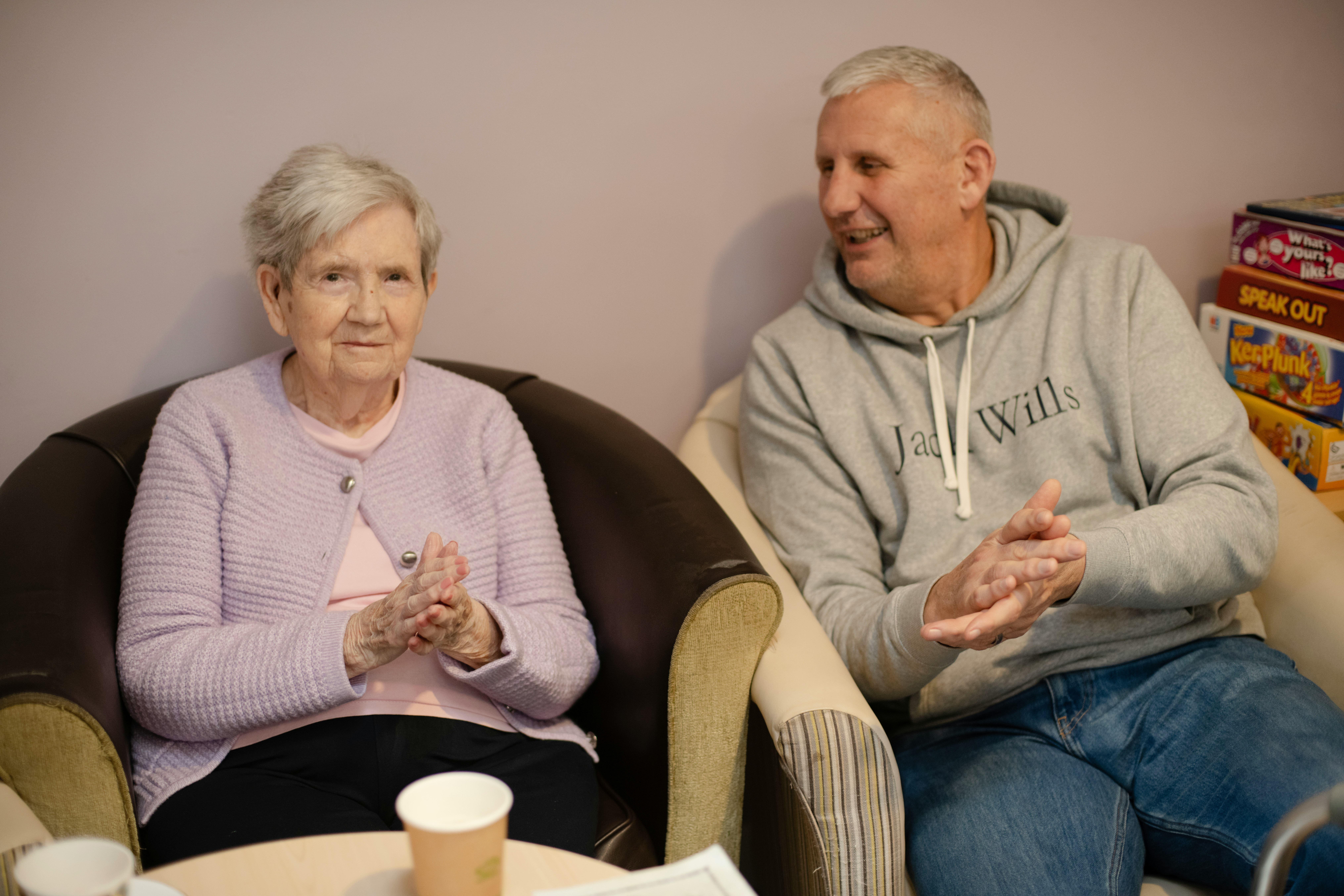

Introduction
Loneliness is one of the most significant yet often hidden challenges faced by older adults. As individuals age, life changes such as retirement, reduced mobility, or the loss of loved ones can gradually limit social interaction. Over time, this isolation can impact both emotional and physical health, making daily life feel less meaningful and more difficult.
The Role of Companionship Care
Companionship care offers a deeply human solution to this challenge. Through regular visits, meaningful conversations, and shared activities, individuals are given the opportunity to reconnect with the world around them. Whether it’s enjoying tea together, playing games, reading, or simply talking, these interactions bring warmth, comfort, and a renewed sense of belonging.
Health Benefits of Social Connection
Beyond emotional connection, research shows that consistent social engagement can improve cognitive function and reduce the risk of depression. Having a trusted companion provides reassurance and creates a sense of routine, helping individuals feel supported and valued.
Encouraging Active Social Living
Companionship care also encourages individuals to engage in activities outside the home. Simple outings to cafés, community centers, or places of worship can uplift mood and rebuild confidence. These experiences remind individuals that life can still be fulfilling, active, and socially connected.
Conclusion
Ultimately, companionship care is more than a service—it is a lifeline that restores dignity, promotes emotional wellbeing, and transforms everyday moments into meaningful experiences.
References
National Institute on Aging. (2023). Social isolation and loneliness in older adults. https://www.nia.nih.gov/health/loneliness-and-social-isolation-tips-staying-connected?utm_source=chatgpt.com
World Health Organization. (2021). Mental health of older adults.
https://www.who.int/news-room/fact-sheets/detail/mental-health-of-older-adults?utm_source=chatgpt.com
Age UK. (2022). Loneliness and isolation evidence review.
https://www.ageuk.org.uk/information-advice/health-wellbeing/loneliness/?utm_source=chatgpt.com