
Introduction
Providing care for a loved one at home is a meaningful responsibility that requires patience, structure, and emotional awareness. While families often approach caregiving with love and dedication, having the right strategies in place can make the experience more effective and less overwhelming.
Introduction
Emotional wellbeing is a critical component of overall health, particularly for older adults. While physical care is often prioritized, emotional support plays an equally important role in maintaining quality of life, independence, and long-term health outcomes.
Impact of Positive Emotional Health
When individuals feel emotionally supported, they are more likely to remain engaged, confident, and socially active. Positive emotional health has been linked to reduced stress, improved sleep, and better resilience.
Risks of Emotional Neglect
Conversely, prolonged loneliness or emotional neglect can lead to depression, anxiety, and declining physical health. This highlights the importance of integrating emotional care into daily routines.
Building Trust Through Companionship
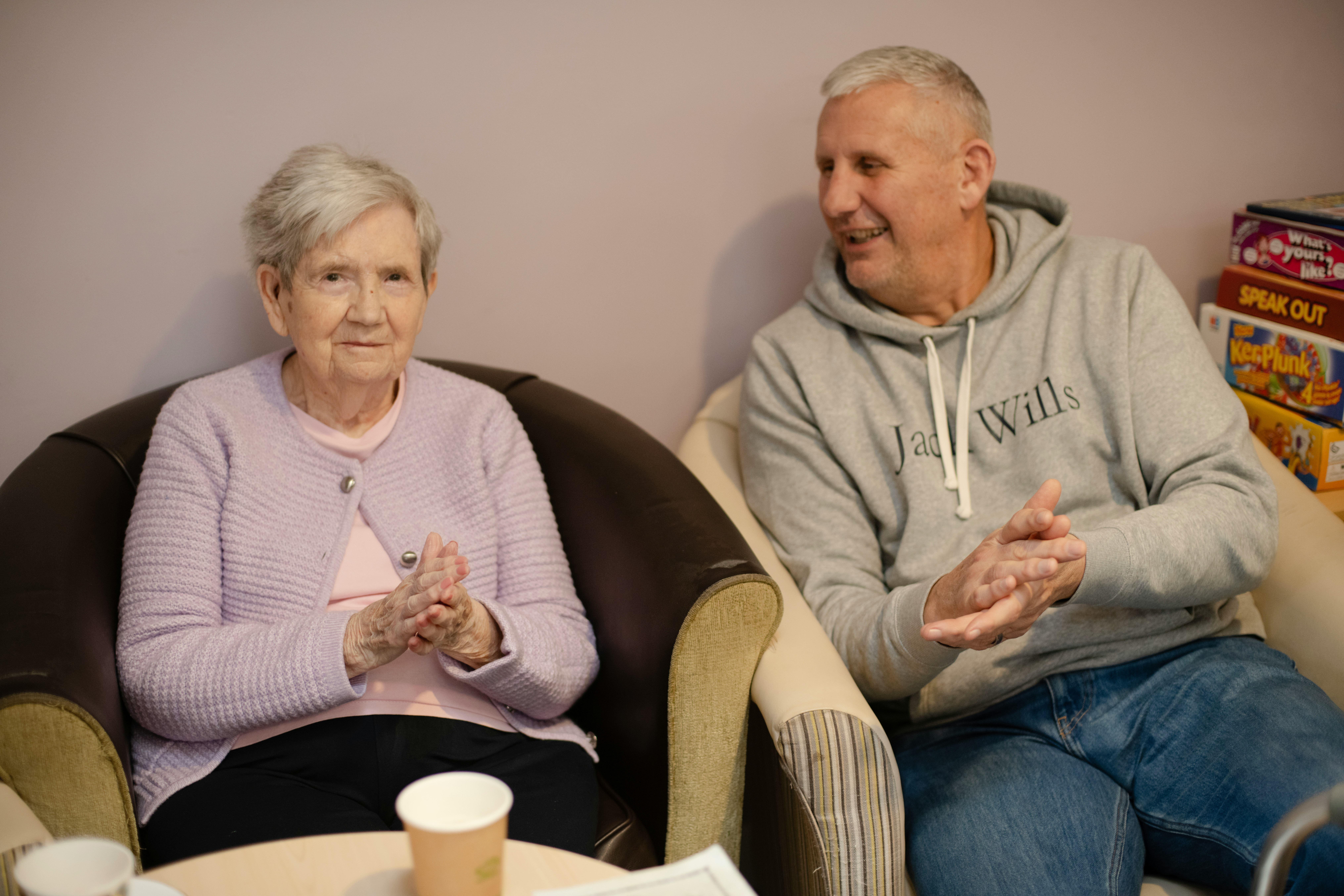
Companionship care provides a strong foundation for emotional wellbeing. Through consistent interaction, caregivers build trust and create a safe environment where individuals can express themselves freely.
Power of Everyday Moments
Everyday activities can have a powerful impact. Sharing stories, engaging in hobbies, or simply spending time together can create meaningful experiences that uplift mood and reinforce a sense of belonging.
Conclusion
By integrating emotional support into daily care routines, caregiving becomes more holistic. It ensures that individuals are not only physically supported but also emotionally fulfilled.
References
World Health Organization. (2021). Mental health of older adults.
https://www.who.int/news-room/fact-sheets/detail/mental-health-of-older-adults?utm_source=chatgpt.com"
National Health Service. (2023). Mental wellbeing tips."
https://www.nhs.uk/every-mind-matters/?utm_source=chatgpt.com
Age UK. (2022). Emotional wellbeing in later life.
https://www.ageuk.org.uk/information-advice/health-wellbeing/?utm_source=chatgpt.com